


Understanding the Fundamentals of Equine Soundness
- Ian Davies
- Jul 9
- 2 min read

Updated: Sep 2
Monthly episodes featuring a discussion on equine soundness are available exclusively here!
Each episode aims to shed light on the intricacies of preserving the health and wellness of our horses. Through strategic planning and corrective actions:
certain lameness problems can be effectively managed
or entirely eliminated
how athletic performance can be enhanced
Remember: "Clarity affords focus." – Thomas Leonard.
----------------------------------------------------------------------------------
Understanding the Fundamentals Equine Soundness.
Introduction
We all know how difficult it is to maintain our horses' soundness. Understanding the 'why' behind it, is the $64 million question. This inquiry can often lead us down a rabbit hole of information and speculation.
As you continue reading, do not anticipate discovering any magical formula or solution that will make 'lameness' an obsolete term found only in future dictionaries. The truth is that we are addressing a complex topic involving a wide range of biological, mechanical, and even environmental factors. Lameness is not just a condition; it is a manifestation of underlying issues that can differ greatly in form and function. Each case of lameness can stem from various causes, including injuries, infections, chronic conditions like arthritis, or developmental disorders.
A wonder of biomechanical engineering, developed over millions of years, has enabled horses to adapt to environments and optimize their movement for survival. The evolution of skeletal structures, muscular systems, and neural pathways has led to the complex interplay of biomechanics seen in various species today. For example, a horse's movement is not merely a result of muscular strength but also requires the coordination of tendons, ligaments, and joints, all working together to enable efficient locomotion.
Moreover, the diagnosis of lameness is a nuanced process that often requires the expertise of veterinarians and specialists who utilize advanced diagnostic tools such as imaging technologies, gait analysis, and biomechanical assessments. These professionals must consider numerous factors, including the animal's age, breed, activity level, and even its history of injuries or illnesses. The complexity of lameness is further compounded by the fact that it can be influenced by external elements such as terrain, footing, and even the type of equipment used during activities like riding or racing.
As we delve deeper into the subject, it becomes evident that addressing lameness requires a multifaceted approach. Treatment options may range from rest and rehabilitation to surgical interventions, and the effectiveness of these treatments can vary widely based on the individual case. Additionally, understanding the biomechanical principles behind movement can lead to better preventative measures, helping to reduce the risk of lameness in the first place.
Lameness is a multifaceted issue that cannot be simplified into a single solution or explanation. It is a testament to the complexity of living organisms and their adaptations over time. As we continue to study and understand this phenomenon, we gain valuable insights not only into the mechanics of movement but also into the overall health and well-being of the animals we care for.
The Importance of Soundness
Maintaining soundness in horses is crucial for their health and performance. A well-conditioned horse can thrive in various activities, demonstrating exceptional athletic ability. Understanding the factors that affect soundness enables owners and caretakers to provide better care.

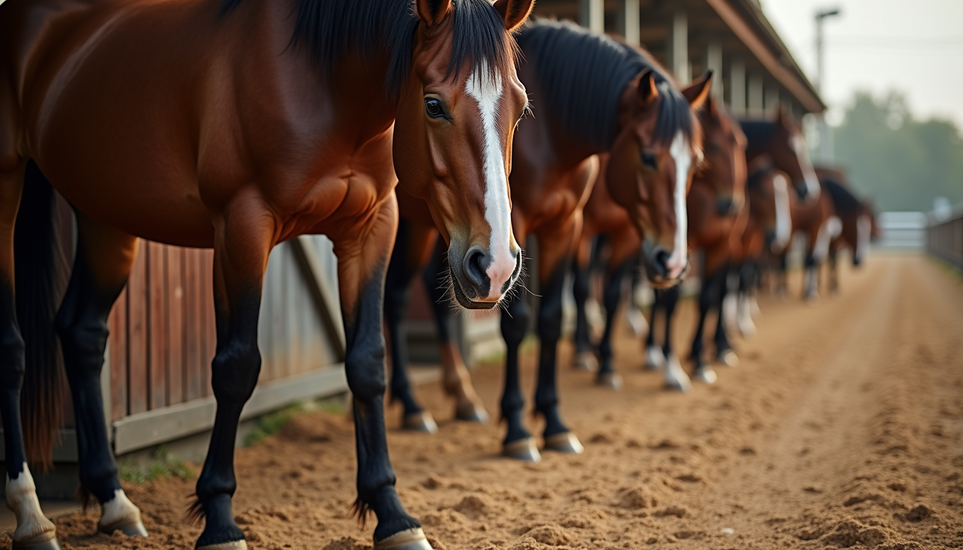
It's all about the balance
Correct anatomical alignment is key to..............


Comments